Jan 4, 2026
Why Bedtime Stories Beat Every Other Parenting Hack
There’s a reason kids say “one more story.” Their brains know it matters more than you think. It’s the one part of the day that builds connection and cognition at once.
The sun goes down. The indigo light settles in. For most of us, this signals the start of the “logistical trek.”
You know the drill. It’s a negotiation. Eat the peas. Brush the teeth. Find the pajamas. It feels like crowd control. But at the Counting Sheep Club, we know that something else is happening beneath the chaos.
When the dust settles and the bedside lamp clicks on, the room finally slows down. Your kid wedges into your side and hands you a book.
That part—reading for a few minutes—looks small.
It isn’t.
You are opening a neurobiological portal.

It is the blueprint for your child’s future mind. It turns the “common talk” of a Tuesday night into the architecture of a brilliant life.
The High-Definition Upgrade
Let’s be honest. Our daily conversations with our kids are functional.
“Put on your shoes.”
“We’re going to be late.”
“Don’t touch that.”
Researchers call this “common talk.” It’s necessary, but it’s cognitively flat. It lacks the complex texture a growing brain craves.
Books are different.
When you read aloud, you leave the “common talk” behind. You enter a world of sophisticated syntax and rich vocabulary that simply doesn’t exist in daily chores. You trade “eat your peas” for dragons, deep forests, and complex emotions.

This matters. Research shows that by 22 months, the quality of this “book talk” is a primary predictor of your child’s future language skills. You are installing a high-definition dictionary in their head, one page at a time.
The “Snowball Effect” of Joy
We don’t just want our kids to know how to read. We want them to love it.
There is a concept called the “virtuous cycle.” Think of it as a snowball rolling down a hill.

When a child associates reading with the warmth of your lap and the safety of their room, they develop an internal lantern of curiosity. They want to read more. Because they read more, they get better at it. Because they are better at it, they enjoy it more.
By the time they reach fourth grade, this internal drive is unstoppable.
But it starts now. It starts with the feeling of safety you create tonight. You are lighting the flame that will burn for the rest of their lives.
Bedtime stories can help with math (yes, really)
It sounds strange. What does The Very Hungry Caterpillar have to do with calculus?
Everything.
By third grade, math stops being only numbers on a page and starts becoming word problems.
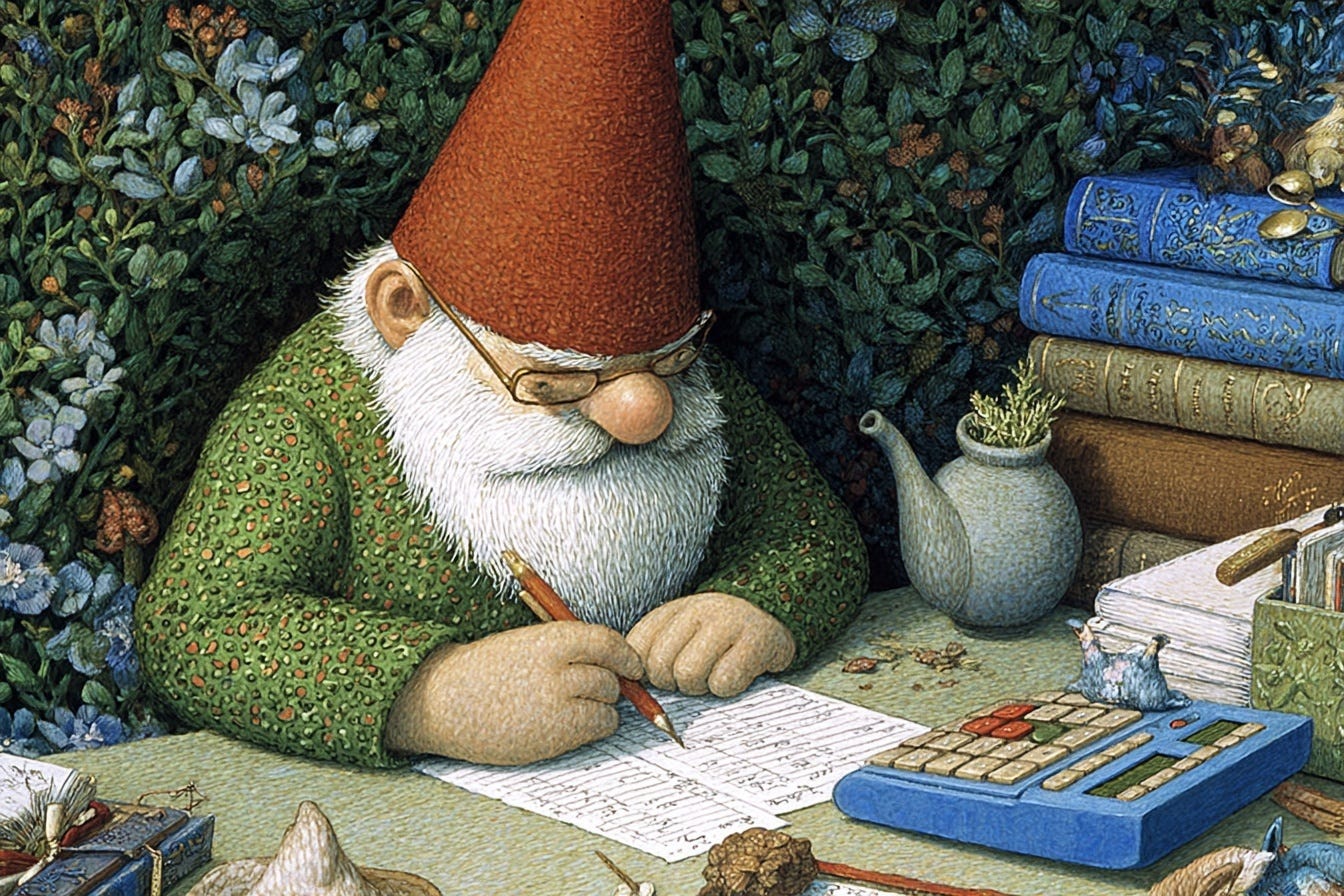
Word problems are reading problems wearing a math costume. Kids have to track details, figure out what’s being asked, ignore the extra stuff, and hold the whole thing in their head long enough to solve it.
That’s why early reading and language skills often show up later in math scores. You’re not just raising a kid who can sound out words. You’re raising a kid who can follow a problem all the way through.
The Sanctuary of the Nervous System
The world is loud. It is bright. It is often overwhelming.
For a child, the bedtime story is a regulator. It is a signal to the nervous system that the day is done and the castle is safe.
This is about co-regulation. When you cuddle, rock, and read, you engage in “shared attunement.” You lower your child’s stress response. You preserve their inner peace.
In this shared space, you are building a “prosocial brain.” Through the stories, you ask questions: “Why is the bear sad?” “What happens next?” “Why do you think she did that?” “What do you think he’s feeling?” “What happens if he lies?”
It is a sophisticated workout for the prefrontal cortex. It teaches empathy, focus, and impulse control. It builds the emotional resilience they will need to navigate a complex world.

What to do with this tonight
Keep it simple.
Pick any book. Read for ten minutes. Let your kid be close.
If the day got away from you, that’s fine. Start where you are.
A short story, night after night, adds up.
Giving your child a tablet can be quiet. It can even be educational.
But it can’t do the thing that matters most here: the back-and-forth.
When you read, your kid interrupts. Asks questions. Mishears a word. You explain. You laugh. You follow their curiosity. That loop is how kids learn language in real life.
Counting Sheep Club
Real learning is human. It happens in the “serve and return” of conversation. It happens in the eye contact. It happens in the physical weight of your child leaning against you.
Counting Sheep Club is a personalized storytelling app that helps children calm their bodies, process emotions, and feel connected before sleep. Parents shape each story around their child and how they’re feeling, turning bedtime into a shared moment of safety, bonding, and rest.